| Category | Key Point |
|---|---|
| Title | King Kong |
| Release Year | 1933 |
| Genre | Adventure, Fantasy, Monster |
| Directors | Merian C. Cooper, Ernest B. Schoedsack |
| Main Character | Kong (Giant Ape) |
| Female Lead | Fay Wray as Ann Darrow |
| Setting | Skull Island & New York City |
| Famous Scene | Kong on Empire State Building |
| Core Theme | Beauty and the Beast |
| Technology | Stop-motion animation |
| Conflict | Man vs Nature |
| Ending | Tragic death of Kong |
| Legacy | Iconic monster in film history |
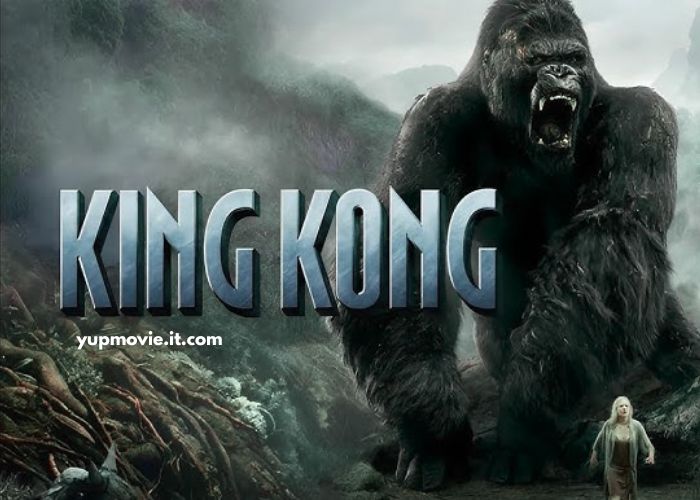
The legendary film King Kong remains one of the most iconic adventure movies in cinematic history. First released in 1933 and later reimagined in multiple versions, King Kong tells a timeless story of beauty, tragedy, and the clash between nature and civilization. Directed by Merian C. Cooper and Ernest B. Schoedsack, the original film set new standards in visual effects and storytelling that continue to influence modern cinema.
Storyline Overview
The plot of King Kong revolves around a daring filmmaker who travels to the mysterious Skull Island in search of adventure and cinematic success. There, he discovers a giant ape known as Kong, worshipped by the island’s inhabitants. When Kong encounters Ann Darrow, played by Fay Wray, he becomes fascinated by her, leading to a dramatic chain of events that takes the story from the wild jungle to the bustling city of New York. The emotional depth of the story is what makes King Kong stand out. Despite being portrayed as a terrifying creature, Kong is shown to have a gentle and emotional side, making him a tragic figure rather than just a monster.
Cinematic Excellence
One of the most remarkable aspects of King Kong is its groundbreaking use of stop-motion animation. At a time when technology was limited, the filmmakers managed to create realistic and thrilling scenes that captivated audiences worldwide. The visual effects, led by Willis O’Brien, were revolutionary and paved the way for modern CGI techniques. The film’s climax, featuring Kong atop the Empire State Building, is one of the most memorable scenes in movie history. This moment symbolizes the ultimate conflict between man and nature, highlighting the destructive consequences of human ambition.
Themes and Symbolism
King Kong explores several deep themes, including: Man vs Nature: The film shows how humans attempt to dominate nature, often leading to disaster. Beauty and the Beast: The relationship between Kong and Ann Darrow reflects the emotional connection beyond appearances. Greed and Exploitation: The desire to capture Kong for fame and profit leads to tragic consequences. These themes give the film a timeless appeal, making it relevant even decades after its release.
Remakes and Legacy
The success of the original King Kong led to several remakes, including the 1976 version and the highly acclaimed 2005 adaptation directed by Peter Jackson. Each version brought new technology and storytelling techniques while preserving the emotional core of the original narrative. In recent years, Kong has also appeared in blockbuster films like Kong: Skull Island and Godzilla vs. Kong, introducing the character to a new generation of viewers.
Why King Kong Still Matters
Even after decades, King Kong continues to be a cultural icon. Its influence can be seen in countless films, TV shows, and video games. The character of Kong has become a symbol of misunderstood strength and emotional depth. The film’s blend of adventure, romance, and tragedy ensures that it appeals to a wide audience. Whether you are a fan of classic cinema or modern blockbusters, King Kong offers an unforgettable viewing experience.
Final Verdict
King Kong is more than just a monster movie—it is a cinematic masterpiece that combines innovative filmmaking with powerful storytelling. Its legacy continues to inspire filmmakers and entertain audiences around the world. If you haven’t watched it yet, it’s a must-see classic that defines the golden age of Hollywood.